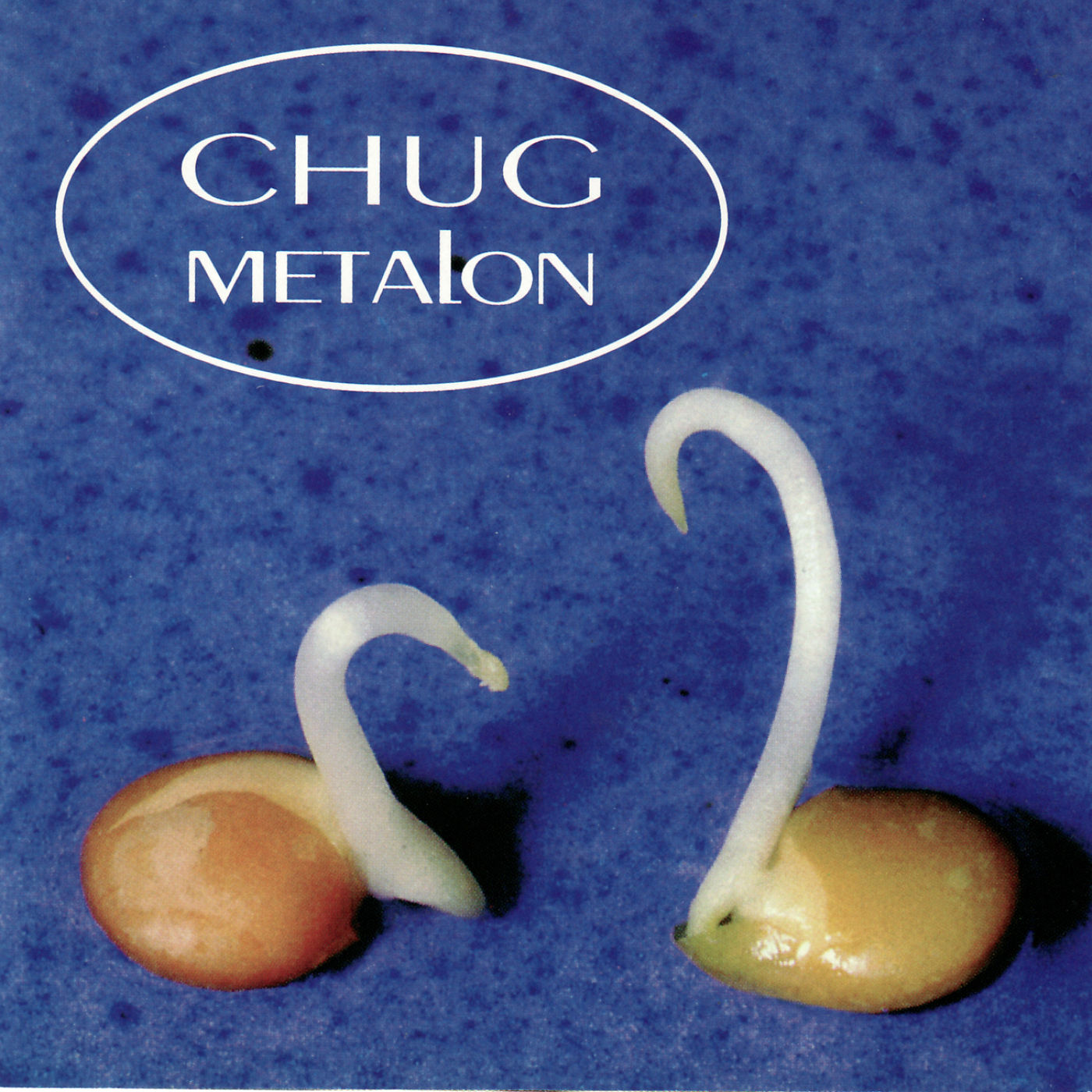
Previous guitarist Sean O'Reilly is replaced on Metalon by David Mitchell of the 3Ds, bringing the sonic links between the two groups a touch closer. There are hints of the more immediately wired guitar energy from the 3Ds on a couple of tracks, while another member, Denise Roughan, adds vocals to "Good Morning Midnight." Chug are their own thing, though, and Metalon follows in the overall vein of Sassafras, blending a variety of influences to create an even better overall album. The hints of late-'60s psychedelia that cropped up more than once on Sassafras come through here even more strongly, but in a way that doesn't feel like pointless nostalgia -- whatever Chug do, they have fire rather than a lazy retracing of what's been done. Heavy fuzztone action crosses the boundary between garage and proto-heavy metal sounds more than once, while there's a crispness in the production that adds just enough of a modern touch to it, despite all the feedback. Songs like "Easy Beat," with its weird electronic loop providing heavily producing percussion, and the more straightforward drum machine pulse on the title track keep things from simply being retro. Norma O'Malley is now the main singer, her attractive singing growing ever stronger and more quietly confident; she hands off keyboard duties to Alf Danielson, who adds the occasional vocals here and there. In the meantime, O'Malley does some brilliant work with Mitchell on guitar -- the deceptively simple joint soloing on "Catbag" is powerful stuff, shifting from acid groove to full-on crunch. It's major rockfest action throughout -- whether it's the perfectly appropriate riffs and dark chiming matching the warning lyrics on "Water Torture" or the lengthy, crumbling soloing on the perhaps appropriately entitled "Detuned." Add to this a stronger presence this time out from drummer Shaun Broadley, who turns in some fine performances throughout, and Metalon is Chug fully coming into their own.
The purpose of this blog is to expose you to the unique and unrepeatable New Zealand scene known as "Dunedin Sound" that emerged in New Zealand in the early eighties. This space takes over from wonderful blogs that in their time served to make known to the world some of the most significant bands and records of that period. The present collection is dedicated to all those kiwi bands -many of them already forgotten- who, without knowing it, wrote a very important page in the history of music.
Mostrando entradas con la etiqueta Chug. Mostrar todas las entradas
jueves, 15 de marzo de 2018
Chug - Sassafras (1994)
Chug. Sassafras. Bloody brilliant, choc full of brilliantly catchy guitar thumpers, not just 2 good tracks and some fillers but virtually every track is catchy, and performed with a vervy, snarly, indifference that suits the material wonderfully. I know that Flying Nun and New Zealand as a whole seems to produce these fantastically undervalued bands, but Chug are at the forefront of the genre. Chug’s music is a solid tour de force of distortion, feedback, distorted bass, and melancholic male-female vocal harmonies. The songs of Sassafras can be sonically characterized as being derived from elements of late 60’s psychedelia with a gooey coating of metal guitar riffage festooned over the surface. The occasional appearance of Farfisa organ and harmonica beautifully compliment the fuzz laden Fender Mustangs…at least that’s what I would bet the guitar of choice would be for an early 90’s garage sludge rocker.
Chug makes perfectly representative music for Flying Nun's second decade -- if nothing is as suddenly new or different as earlier reinventions of emotional, powerful rock, both the label and many of its newer bands still deliver the goods. Alf Danielson's fuzz bass may kick things off, but it's guitarist/keyboardist Norma O'Malley who gets the first words in on "Evel Knievel," a nicely angular piece of wigginess that sets the tone of Sassafras. Chug clearly sound like a product of their environment, fusing both catchy, almost power pop hooks (at least at times) with all sorts of frazzled guitar and musical crashes & changes, not to mention occasional blended harmonies. There's the rough accessibility of bands like the Jean Paul Sartre Experience or the 3Ds on the one hand, and the hints of crazed guitar madness from the Xpressway bunch on the other. Even "Golden Mile," with what sounds initially like a motorik groove a la Stereolab, has a stronger sonic connection with Snapper. Other bands are clearly in the sonic stew as well -- Sonic Youth squalls crop up more than once -- yet while Chug might not immediately stand out, they bring a good energy to what they do, and are able to put their own stamp on things well throughout. Danielson and O'Malley make for a good vocal team and each can hold their own individually -- and while Danielson sometimes buries his vocals, when speaking up he has some nicely winsome tones. O'Malley is clearer in contrast, sounding perhaps a touch more engaged as a result, while her organ work adds a lovely swathe of warm sound to the proceedings. Highlights include the attractive psych-tinged "Long Haul," with O'Malley contributing some very Doors-like keyboards; the stomping, very heavy "Witches"; and the great, feedback-laden groove of "Mustang."
Suscribirse a:
Entradas (Atom)

